
 Dentist Referrals



May 14, 2026
Will my teeth move back if I do not wear my retainer?
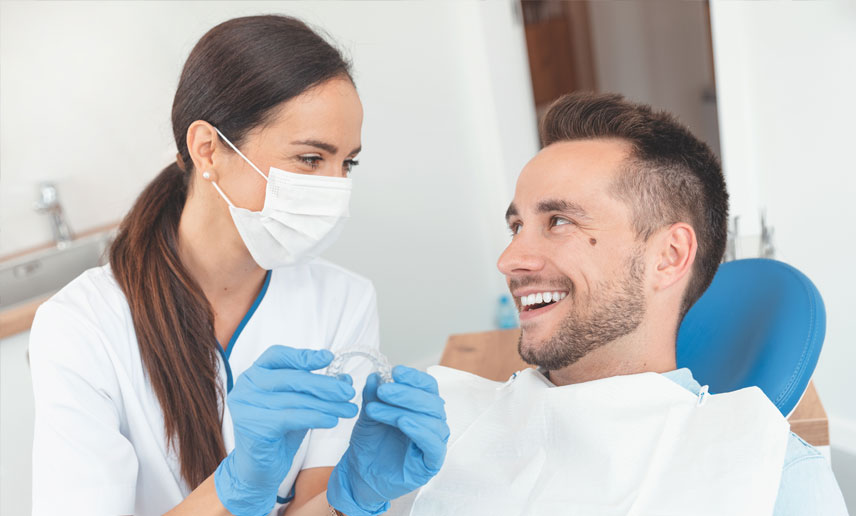
Why teeth can shift after treatment
Teeth are not set in concrete. They sit in bone, supported by the periodontal ligament, a network of microscopic fibres acting like elastic bands. During orthodontic treatment, these fibres are stretched and reshaped as teeth move into new positions. After braces or Invisalign® are removed, the fibres and surrounding bone gradually remodel.
Everyday forces that can nudge teeth if retainers are not worn include:
- Periodontal fibres recoiling and nudging teeth toward old positions.
- Bite and chewing forces applying pressure across the dental arch.
- Natural age-related changes, such as mild lower front crowding.
- Habits like clenching, tongue posture, or mouth breathing.
Retainers counter these forces while tissues settle. Without retention, relapse is more likely, especially during the first year.
Why the retention phase matters
Orthodontic treatment has two stages: active movement and retention. The retention phase holds teeth in corrected positions while tissues stabilise. It is an essential part of treatment.
Benefits of proper retention include:
- Maintaining tooth alignment while fibres and bone remodel.
- Supporting bite correction so upper and lower teeth fit properly.
- Reducing risk of mild crowding returning over months and years.
Retention plans are personalised. Your Specialist Orthodontist will recommend the right type of retainer and wear schedule based on your teeth and lifestyle.
How long you need to wear a retainer
- Immediately after treatment: Full-time wear for several months, removing only for meals, brushing, and advised activities.
- After initial period: Transition to night-time wear, as recommended by your orthodontist.
- Long-term: Light ongoing night-time wear provides the best protection as teeth and tissues continue to change with age.
Follow your orthodontist’s instructions and attend retention reviews to ensure small adjustments can be made if needed.
Common retainer types and how they work
- Clear removable retainers: Thin, custom-made trays that fit snugly over teeth. Discreet and comfortable; wear as directed and store in a case when out of the mouth.
- Hawley retainers: Durable acrylic plate with a slim wire across front teeth. Allows minor bite settling and can be adjusted chairside if needed.
- Bonded fixed retainers: Fine wire bonded behind the front teeth. Works continuously to hold alignment. Often paired with a removable night retainer for extra stability.
Your Specialist Orthodontist will explain which retainer suits your bite, crowding pattern, and hygiene routine.
Everyday care tips
- Rinse retainers with cool or lukewarm water after removal; avoid hot water.
- Clean gently with a soft brush and mild, fragrance-free soap or recommended cleaner.
- Always store in a protective case, never in pockets or loose bags.
- For fixed retainers, floss daily using floss threaders or interdental brushes.
If you lose, break, or stop wearing your retainer
- Wear a spare if available.
- If a removable retainer cracks or goes missing, contact your orthodontist promptly.
- Do not force a retainer that no longer fits; book a review appointment.
- For a fixed retainer that is loose or detached, avoid picking at it and arrange a repair appointment.
Even short breaks can allow some movement, so early action is important.
Can a Specialist Orthodontist adjust or replace a retainer?
Yes. We can:
- Assess fit and polish sharp edges.
- Adjust a Hawley wire.
- Repair a bonded retainer.
- Take a quick digital scan for a precise replacement.
- Advise on minor corrections or revised wear schedules if early movement occurs.
Locations for personalised retention care
If you are in Sydney, you can book a personalised retention check or replacement retainer with a Specialist Orthodontist at our Gordon or Hurstville clinics.
FAQ
- Will my teeth move back if I do not wear my retainer? Some movement is likely over time, especially in the first year. Retainers guide teeth while tissues stabilise.
- Why does retention matter after braces or aligners? Retainers hold alignment while bone and fibres remodel, supporting bite and protecting results.
- How long do I need to wear a retainer? Most wear full-time at first, then night-time as advised. Long-term night wear is best for ongoing protection.
- What types of retainers are there? Clear removable trays, Hawley retainers, and bonded fixed retainers. Orthodontists recommend based on your case.
- What if I lost or stopped wearing my retainer? Act early, wear a spare if available, and contact your orthodontist. Do not force a tight or ill-fitting retainer.
- Can a Specialist Orthodontist adjust or replace a retainer? Yes, including repairs, adjustments, replacements, and revised wear plans.
The bottom line
Your retainer is an essential part of your treatment, not optional. Teeth naturally drift, and retainers maintain your results. If yours is lost, broken, or doesn’t feel right, early advice can prevent relapse.
For personalised guidance, retention checks, or replacement retainers, book with a Specialist Orthodontist at Marvel Orthodontics in Gordon or Hurstville. The Gordon team serves the Upper North Shore area and is ready to help you protect your smile for the long term.
Follow Us
Keep up with our friendly team on social media!



Visit Us!
Choose the location nearest you from the drop-down list below.
Marvel Orthodontics™ Gordon
 Ground Floor 774 Pacific Hwy Gordon,
NSW 2072

 reception@marvelorthodontics.com.au
 Opening Times
- Monday - Friday
- 08:00am – 6:00pm
- Saturday - Sunday
- Closed
 Get Directions on Google Maps
Marvel Orthodontics™ Hurstville
45 Dora St Hurstville,
NSW 2220
reception@marvelorthodontics.com.au
Opening Times
- Monday - Friday
- 08:00am – 5:00pm
- Saturday - Sunday
- Closed