
 Dentist Referrals



Apr 17, 2026
Is Invisalign® Faster Than Braces? Timelines, Comfort and What to Expect
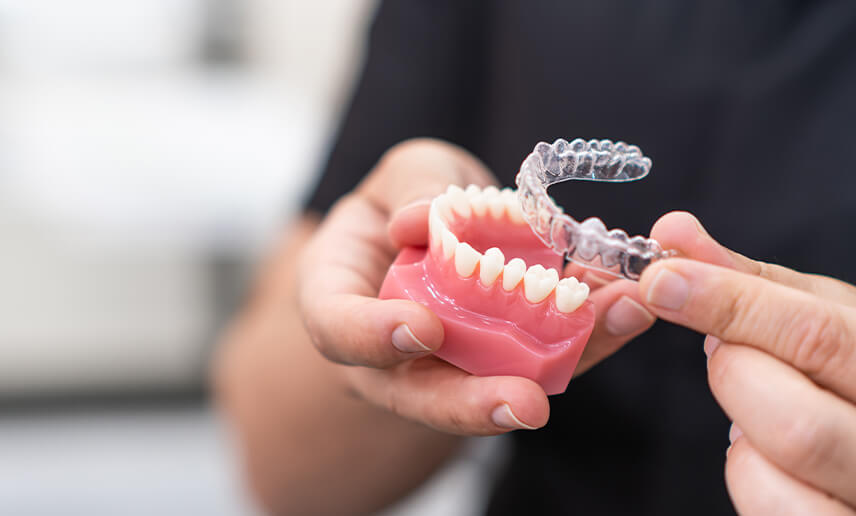
If you are comparing Invisalign® with braces, speed is usually the first question. You might have heard someone finish aligners in months while a friend spent years in braces. Both stories can be true. The right answer depends on your diagnosis, how your teeth and jaws respond, and how consistently you wear your appliances.
As Specialist Orthodontists, we plan treatment to be efficient and predictable, not just quick. In some cases Invisalign® is faster. In others, fixed braces move certain teeth more reliably and can shorten the overall journey. Below, we explain typical timelines by case type, what influences speed, and simple comfort tips to make the process smoother.
How long treatment usually takes
Every mouth is different, but these time ranges are a helpful guide.
Mild crowding or spacing
Invisalign® Lite or short-course aligners often finish in about 3 to 6 months when worn as directed. Minor cases with braces can be similar, commonly 6 to 9 months.
Moderate alignment and bite refinements
Many comprehensive cases finish in roughly 12 to 18 months with either Invisalign® or braces. Efficient planning and good compliance make the biggest difference here.
Complex corrections
Significant crowding, large overbites or underbites, impacted teeth, or extraction cases often sit in the 18 to 24 month range. Some complex movements are more predictable with fixed braces and may progress faster in braces than in aligners.
So, is Invisalign® faster than braces? Sometimes, particularly for mild to moderate alignment problems when you wear trays 20 to 22 hours a day. For complex bite changes, braces can be more time-efficient because they deliver continuous forces and do not rely on daily wear habits.
What affects your timeline
Three factors strongly influence speed, regardless of appliance.
Diagnosis and movement type
Rotating canines, uprighting tipped molars, closing extraction spaces and correcting large bite discrepancies can be more predictable with braces. Straightening mild crowding or spacing across the front teeth often suits Invisalign® very well.
Wear time and technique
Invisalign® needs consistent wear, about 20 to 22 hours per day, removing trays only for meals and toothbrushing. Chewies help seat aligners fully, improving movement accuracy and preventing delays.
Elastics and attachments
Many Invisalign® plans use small tooth-coloured attachments and elastics to correct the bite. Braces also use elastics. Wearing elastics exactly as prescribed is critical for timing in both systems.
Can Invisalign® take 4 years?
It is uncommon, but very long timelines can happen with missed wear, frequent lost trays, complex mid-course changes or additional goals added later. Most comprehensive Invisalign® plans do not approach four years.
Refinement sets are normal and help fine-tune the result, but they can add time if wear is inconsistent. In some cases, a short phase of fixed braces may be recommended to keep the overall timeline efficient.
Can Invisalign® take 4 years?
It is uncommon, but very long timelines can happen with missed wear, frequent lost trays, complex mid-course changes or additional goals added later. Most comprehensive Invisalign® plans do not approach four years.
Refinement sets are normal and help fine-tune the result, but they can add time if wear is inconsistent. In some cases, a short phase of fixed braces may be recommended to keep the overall timeline efficient.
Wearing Invisalign® the right way
For predictable progress, aim for 20 to 22 hours per day. Remove your trays only for eating, drinking anything other than cool water, and brushing or flossing.
A quick daily checklist:
- Wear 20 to 22 hours, including sleep
- Seat trays fully with chewies
- Brush and floss before reinserting
- Store aligners in a case when out
- Keep elastics and spare chewies with you
When braces may be more efficient
Fixed braces are bonded to the teeth, so they are always working. They can be more time-efficient for:
- Extraction space closure where sliding mechanics are needed
- Large rotations and root torque less predictable with aligners
- Impacted or severely displaced teeth
- Cases where wear-time compliance is uncertain
Ceramic braces are a lower-visibility option while maintaining the efficiency of fixed appliances.
Comfort and what is normal
Both Invisalign® and braces move teeth with gentle, continuous pressure. Some tenderness is common when starting or after adjustments. Most people describe it as pressure rather than pain, settling within 24 to 48 hours.
Simple relief tips
- Choose soft foods like yoghurt, soup or pasta
- Use over-the-counter pain relief as directed
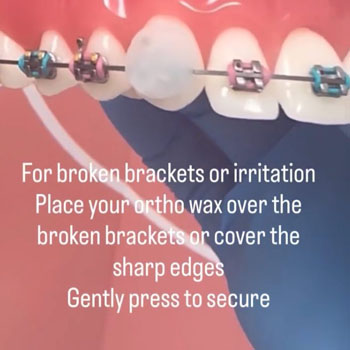
- Apply orthodontic wax for braces irritation
- Use chewies with aligners for better fit
- Stick to your wear schedule to avoid repeated soreness
What can slow things down
These are the most common causes of delays:
- Inconsistent aligner or elastic wear
- Missed appointments
- Broken brackets or bent wires
- Lost or damaged aligners
- Poor tray seating or rushing ahead too quickly
If an aligner is lost, wear your previous set and contact your clinic for advice.
Suitability and making a confident choice
If you have mild to moderate alignment concerns and can commit to consistent wear, Invisalign® can be as fast as braces and sometimes faster.
If your case is complex or you prefer a set-and-forget option, braces may be more efficient. The best step is a specialist assessment with photos, X-rays and a 3D scan to map your personalised timeline.
FAQs
Is Invisalign® faster than braces?
Often similar for mild to moderate cases, and sometimes faster with excellent wear. For complex movements, braces can be more time-efficient.
Can Invisalign® take 4 years?
Rarely. Most long timelines relate to inconsistent wear or complex changes.
How many hours a day should I wear Invisalign®?
About 20 to 22 hours daily, removing only for meals and brushing.
Is Invisalign® painful?
Usually not. Expect mild pressure for a day or two after starting or changing trays.
The bottom line
Speed depends on your case and consistency. Invisalign® can be quicker for straightforward alignment when worn correctly, while braces may be more efficient for complex corrections.
The most reliable way to know your timeline is a consultation with a Specialist Orthodontist and a personalised 3D treatment plan.
Next step
Book your consultation with Marvel Orthodontics to receive a tailored treatment plan, clear timeline and expert guidance on whether Invisalign® or braces is right for you.
Follow Us
Keep up with our friendly team on social media!





Visit Us!
Choose the location nearest you from the drop-down list below.
Marvel Orthodontics™ Gordon
 Ground Floor 774 Pacific Hwy Gordon,
NSW 2072

 reception@marvelorthodontics.com.au
 Opening Times
- Monday - Friday
- 08:00am – 6:00pm
- Saturday - Sunday
- Closed
 Get Directions on Google Maps
Marvel Orthodontics™ Hurstville
45 Dora St Hurstville,
NSW 2220
reception@marvelorthodontics.com.au
Opening Times
- Monday - Friday
- 08:00am – 5:00pm
- Saturday - Sunday
- Closed