Free Specialist Orthodontic Consultation + Save Up To $1,000 Off Treatment
Offer ends 14th of July 2026

 Dentist Referrals



Jun 29, 2026
Do Braces Hurt More In Winter? Comfort Tips For Colder Months
Cold mornings, hot coffees, runny noses, and dry winds can all make your mouth feel a little different in winter. If you have braces or clear aligners, you might also notice extra sensitivity or tightness as the temperature drops.
The good news is that winter soreness is usually mild and temporary. With a few small changes to your routine, you can stay comfortable and keep your treatment on track.
Below, we explain why teeth can feel more sensitive in winter, what to expect with fixed braces versus clear aligners like Invisalign® and Spark, and the simple steps you can take to feel better fast.
Do Braces Hurt More in Winter?
Not usually, but they can feel more sensitive. Cold air and sudden temperature changes can make teeth and soft tissues contract slightly. If your teeth are already adapting to gentle orthodontic forces, this extra stimulus can heighten awareness.
Dry winter air and mouth-breathing during colds or hay fever can also irritate your lips and cheeks, making brackets feel sharper than usual.
Most people find this sensitivity comes and goes and settles as you warm up and maintain a consistent routine.
Why Teeth Feel Sensitive in Cold Weather
Temperature Shifts
Sipping an iced drink, then a hot tea can trigger a quick expansion and contraction effect in teeth. This can feel sharper if a tooth is moving or if a minor ulcer is present.
Dry Air and Dehydration
Winter heating and windy days dry out your lips and cheeks. Less moisture means less natural cushioning against braces.
Seasonal Habits
More hot drinks, comfort foods, and mouth-breathing with a stuffy nose can all change how your mouth feels. Night-time grinding can also spike in stressful exam or end-of-year periods, which may increase tenderness.
Braces vs Clear Aligners in Winter
Fixed Braces
Brackets and wires can feel more noticeable in dry, cold weather because the tissues are drier and more prone to friction. Wax and lip balm are your best friends here.
After an adjustment, tenderness for a day or two is normal. Winter can make you notice it a bit more, but it should still ease with standard care.
Invisalign® and Spark Aligners
Clear aligners act like a thin wind-break for your teeth, which some patients find comforting in cold air.
Avoid hot drinks while trays are in because heat can warp aligners and affect fit. Remove trays for hot drinks, then brush or rinse and reinsert.
New aligners may feel tight for a day or two. Chewies and a consistent wear routine help the tray seat well and reduce pressure points.
Simple Home Remedies That Actually Help
Quick Relief
- Warm salt-water rinses (lukewarm, not hot) 2 to 3 times a day to soothe irritated spots.
- Lip balm during the day and before bed to reduce friction.
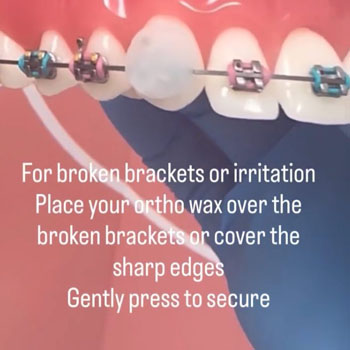
- Orthodontic wax over any bracket or wire that rubs, replacing as needed.
Daily Comfort Habits
- Choose softer foods when sore, such as soups, pasta, eggs, yoghurt, steamed vegetables, and smoothies.
- Drink plenty of water to counter dry indoor heating. Keep a reusable bottle handy.
- Breathe through your nose where possible and manage hay fever or colds so your mouth does not dry out.
- Stick with your cleaning routine. A soft-bristled brush, gentle technique around brackets, and careful flossing will reduce gum irritation.
Clear Aligner Care
- Wear aligners 20 to 22 hours daily. Remove only for meals and brushing.
- Rinse and clean trays in cool or lukewarm water with mild soap. Avoid hot water.
- Use chewies if a new tray feels tight after cleaning or first insertion to seat it fully and ease pressure.
- Store trays in a protective case whenever they are out, especially at winter sports or on busy school days.
What to Avoid During Winter
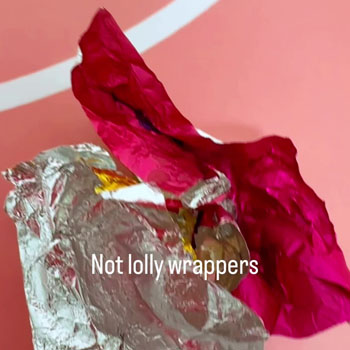
- Very hard, sticky, or icy foods, such as ice cubes, hard lollies, toffees, popcorn, and crusty bread, which can crack brackets or bend wires.
- Sudden temperature extremes, for example moving straight from iced water to a very hot drink. Give your mouth a moment to transition.
- Hot drinks with aligners in. Heat can distort plastic trays and affect fit.
- Picking at wires or trays if something feels rough. Use wax for braces and call us for advice.
When to Contact Your Orthodontist
Most winter sensitivity is manageable at home. Book a prompt review if you notice:
- Persistent or worsening pain that does not settle within a few days
- A loose bracket, broken wire, or a wire that is poking and cannot be covered with wax
- Ulcers that do not improve after 3 to 5 days of salt-water rinses and wax
- Aligner problems such as cracks, warping, a lost tray, or a fit that suddenly changes
Your Winter Comfort Checklist
- Keep orthodontic wax and lip balm in your bag or pocket
- Rinse with lukewarm salt water morning and night if sore
- Choose softer foods on sensitive days
- Stay hydrated to reduce dryness
- For aligners, remove for hot drinks and clean trays with lukewarm water
- Call us if discomfort persists or something breaks
Frequently Asked Questions
Do braces hurt more in winter?
Not typically. Cold air and dry conditions can make existing tenderness more noticeable, but it is usually short-lived and settles with simple care.
Is Invisalign® sensitive to cold weather?
Clear aligners can actually shield teeth from cold air. The main sensitivity risk is heat rather than cold, since hot drinks can warp trays. Remove aligners for hot drinks, then brush or rinse before reinserting.
How can you reduce discomfort from braces in colder months?
Use orthodontic wax, lip balm, and warm salt-water rinses. Choose softer foods when sore, sip water often, and avoid sudden hot-cold temperature swings. For aligners, keep a consistent wear routine and avoid hot drinks with trays in.
Book a Personalised Comfort Review
If winter has made your mouth feel a bit tender, we are here to help with practical adjustments and tailored advice. Book with our Specialist Orthodontists in Gordon or Hurstville for a personalised assessment and comfort review.
For patients seeking an Orthodontist in the North Shore and North Sydney area, you can reach our Gordon team as your local North Sydney Orthodontist.
If you are closer to St George or South Sydney, our Hurstville clinic is ready to help.
You can learn more about our clear aligner options, including Invisalign®, in our Sydney pages, or make an appointment for braces or aligner care that fits your routine.
Final Thoughts
Winter can make you more aware of braces or aligners, but discomfort is manageable and usually short-lived. A few small habits, like wax, lip balm, warm salt-water rinses, and softer meals, can make a big difference. If anything feels off, or soreness lingers, book a review so we can check the fit, smooth any rough spots, and keep your treatment moving comfortably.
Ready for tailored help? Book a consultation with our Gordon or Hurstville team today for a calm, practical plan that keeps you comfortable through the colder months.
Follow Us
Keep up with our friendly team on social media!


Visit Us!
Choose the location nearest you from the drop-down list below.
Marvel Orthodontics™ Gordon
 Ground Floor 774 Pacific Hwy Gordon,
NSW 2072

 reception@marvelorthodontics.com.au
 Opening Times
- Monday - Friday
- 08:00am – 6:00pm
- Saturday - Sunday
- Closed
 Get Directions on Google Maps
Marvel Orthodontics™ Hurstville
45 Dora St Hurstville,
NSW 2220
reception@marvelorthodontics.com.au
Opening Times
- Monday - Friday
- 08:00am – 5:00pm
- Saturday - Sunday
- Closed